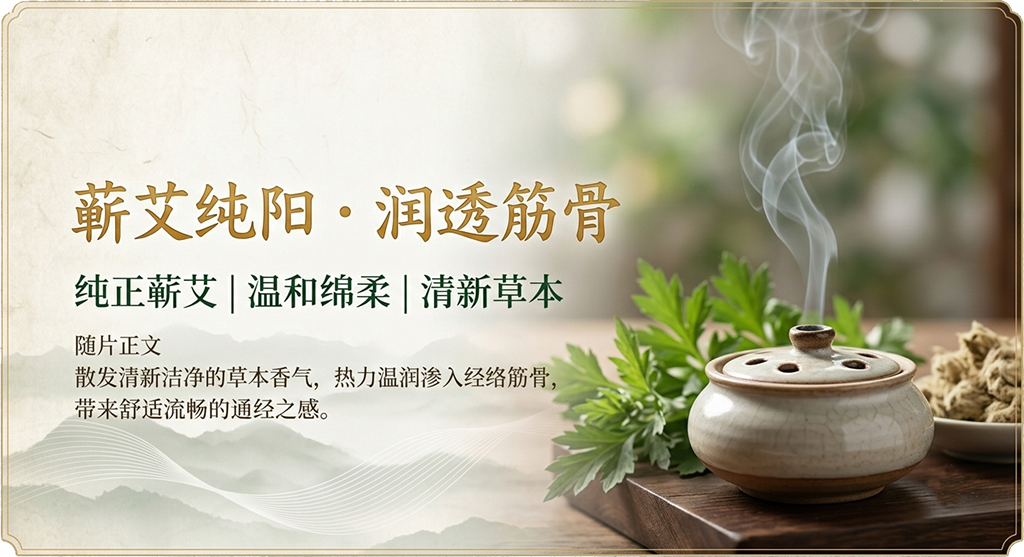
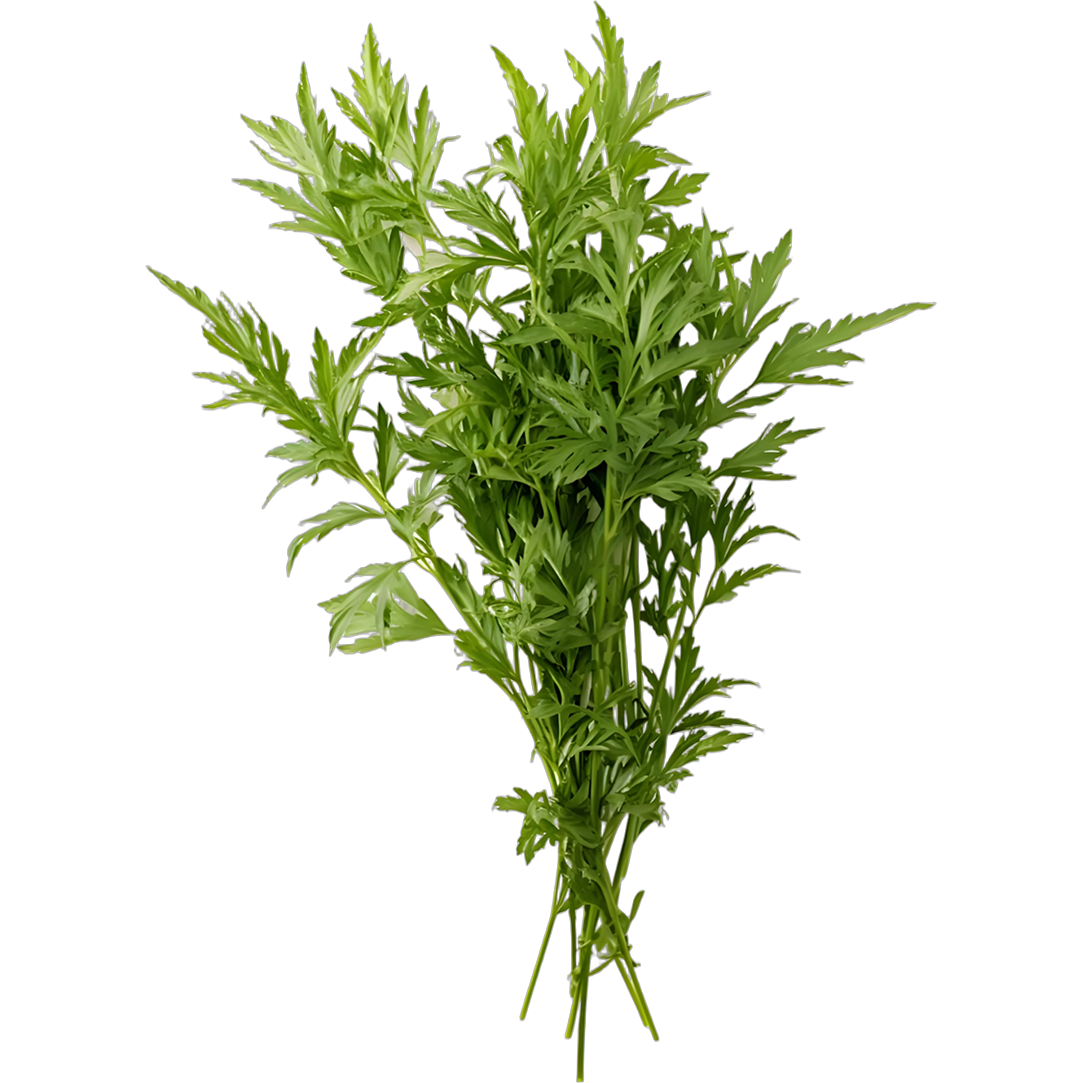
Rooted in mugwort (Artemisia argyi), moxibustion delivers soft, deep heat to your acupoints and meridians.
It warms the meridians, dispels cold and damp, and balances Qi and Blood — ancient wisdom says moxa heals where needles and herbs fall short.
Top-tier Qi’ai mugwort grows in Li Shizhen’s hometown Qichun, favored by the great physician himself.
Deficiency brings cold, cold brings damp, damp brings stagnation, stagnation brings blockage, blockage brings illness.
The practice uses the gentle heat of burning mugwort (Ai Cao) over strategic acupoints to revitalize the body from within.
By deeply warming the meridians and releasing active herbal benefits, it helps dispel cold, trigger circulation, soothe pain, and rebalance your internal organs.
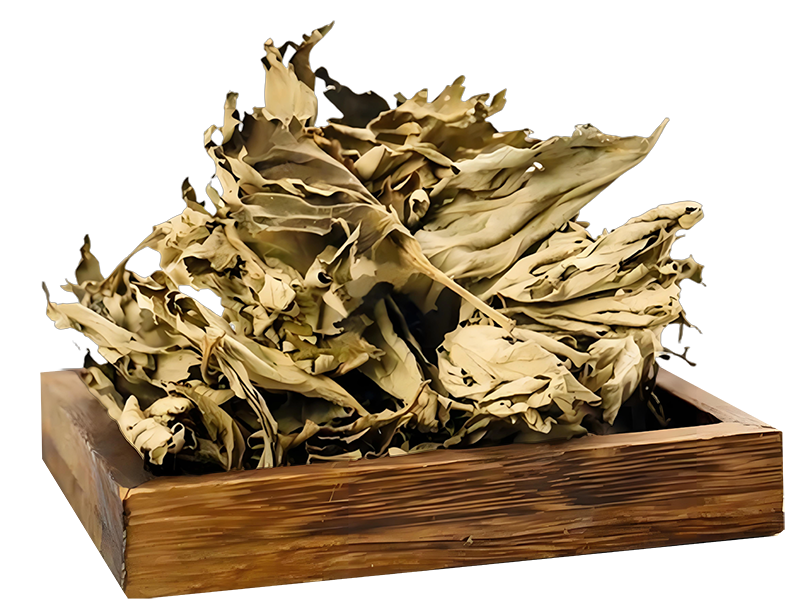
“Since the Chenghua Period, mugwort from Qizhou (now Qichun) has been the finest, selected as royal tribute and revered across the nation, named QCM.”
Recorded in the Compendium of Materia Medica (本草纲目), and also in Li Yanwen’s Book of QCM, the Ming-dynasty official pharmacopoeia 《本草品汇精要》, and 《本草乘雅半偈》 — all attesting QCM as imperial tribute mugwort.

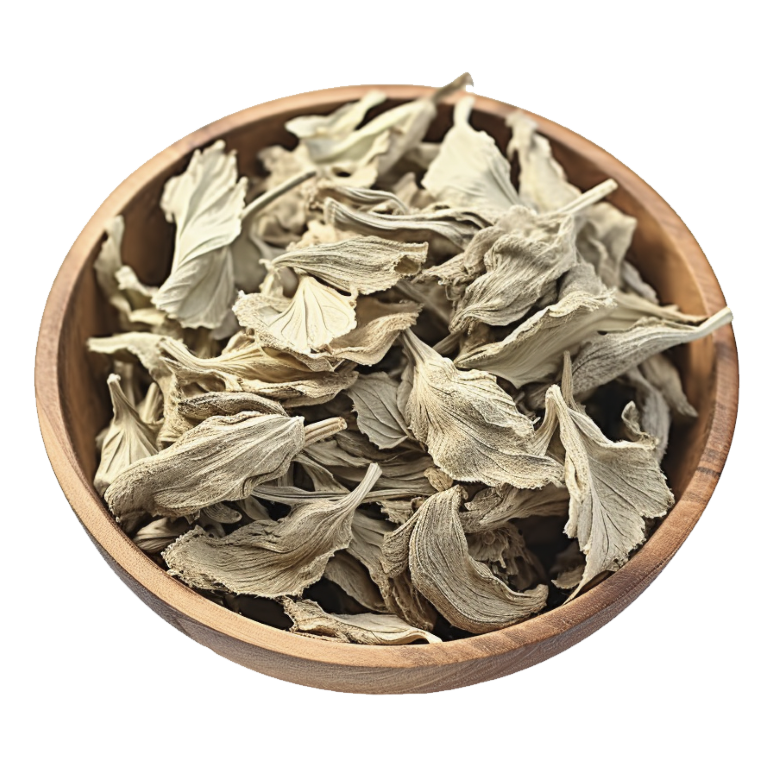
QCM grows exclusively in QiChun, Hubei, along the Dabie Mountains at Latitude 30°N, with unique acidic yellow-brown soil and a mild subtropical monsoon climate. A legally protected China National Geographical Indication Product, QCM reaches 1.8–2.5m tall with thick, broad leaves covered in dense white fuzz.
Essential oil yield — QCM vs common mugwort, delivering twice the anti-inflammatory, cold-damp dispelling active ingredients.
Thujone & isothujone — proprietary compounds absent in most other mugwort strains, critical for activating circulation and easing chronic soreness.
Higher flavonoids, trace minerals and combustion heat value than ordinary mugwort.
QCM burns with a mild, soothing “Gentle Warmth” and a fresh, clean herbal aroma. Its warmth seeps gently into meridians and bones, creating a comfortable flowing meridian sensation.