QCM 缩略图
蕲艾 QICHUN MUGWORT

QCM Global

Mugwort — Carrying on a Thousand Years of Wellness Tradition.

Products About
Qi Ai Mugwort
The Heritage

A Healing Art Perfected Over Thousands of Years

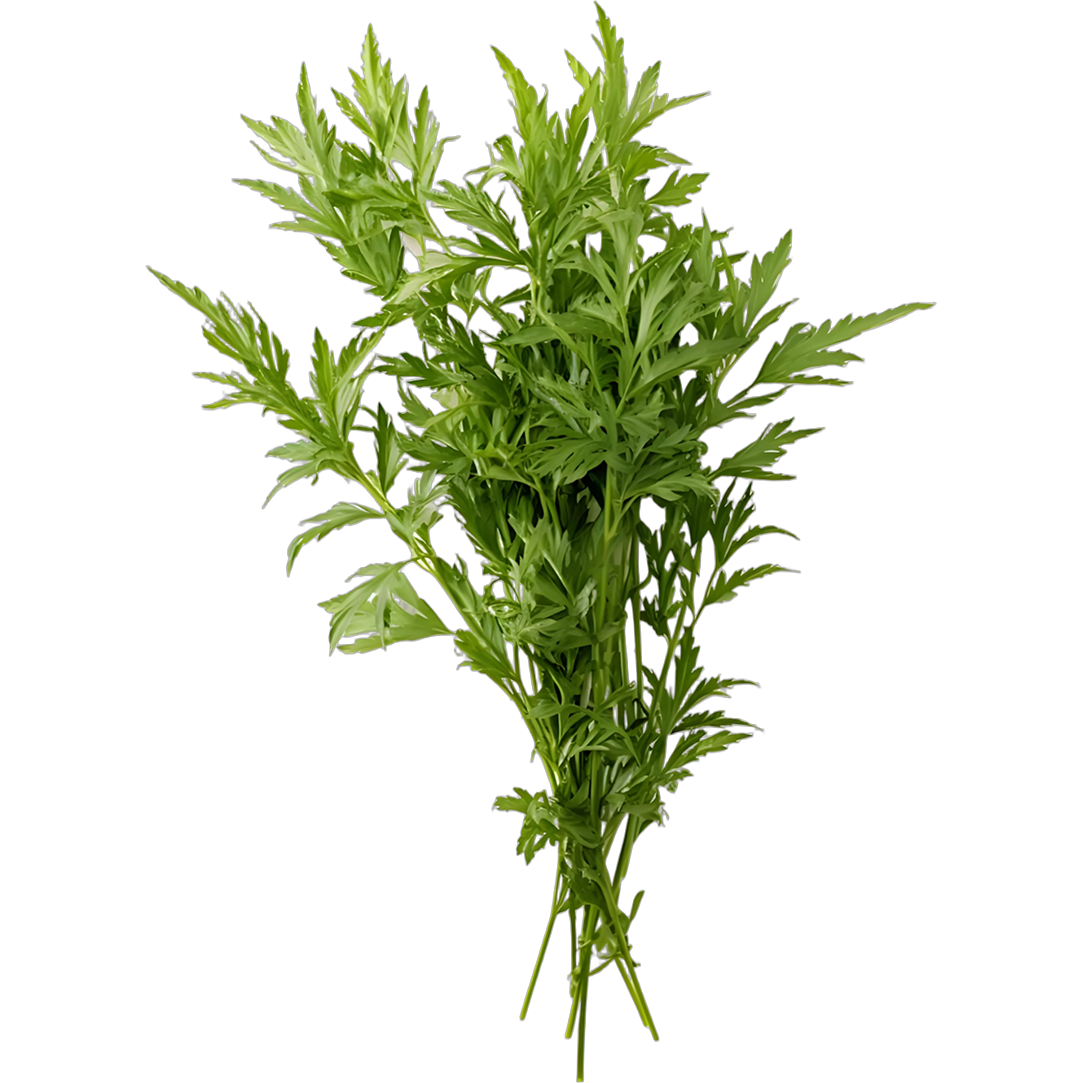
Rooted in mugwort (Artemisia argyi), moxibustion delivers soft, deep heat to your acupoints and meridians.

It warms the meridians, dispels cold and damp, and balances Qi and Blood — ancient wisdom says moxa heals where needles and herbs fall short.

Top-tier Qi’ai mugwort grows in Li Shizhen’s hometown Qichun, favored by the great physician himself.

Are You Feeling It

Listen to What Your Body Is Telling You

Cold & Damp Body
体寒畏寒、手脚冰凉
Fatigue & Low Energy
体虚乏力、精神萎靡
Poor Sleep, Insomnia
失眠多梦、睡眠浅
Menstrual Discomfort
经期宫寒、小腹坠胀
Stiff Joints & Muscle Aches
肩颈僵硬、关节寒湿酸痛
Slow Qi & Blood Circulation
气血循环不畅、面色暗沉
Discover the Ancient Warmth

Discover the Ancient Warmth of Moxibustion

Deficiency brings cold, cold brings damp, damp brings stagnation, stagnation brings blockage, blockage brings illness.

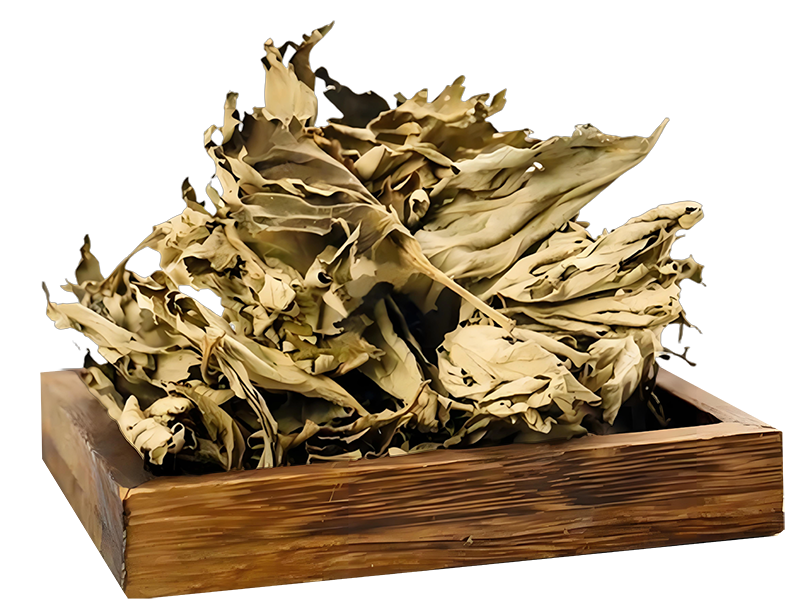
The practice uses the gentle heat of burning mugwort (Ai Cao) over strategic acupoints to revitalize the body from within.

By deeply warming the meridians and releasing active herbal benefits, it helps dispel cold, trigger circulation, soothe pain, and rebalance your internal organs.
Moxibustion
History of QCM

A Road Map of a Thousand Years

More than 3000 years ago
Mugwort was discovered as a Chinese herb to prevent plagues and diseases.
Around 600 years ago
QCM mugwort was discovered in Qizhou (now QiChun) — the only authentic medicinal mugwort named after its place of origin.
Supplied exclusively to the imperial court and official pharmacies as imperial tribute, widely recognized for unrivaled quality.
Around 500 years ago
Li Yanwen, father of Li Shizhen, drafted the Book of QCM, recording the supreme quality of three-year-aged Qichun mugwort.
Around 400 years ago
Li Shizhen, the Sage of Materia Medica, praised Qichun mugwort in the Compendium of Materia Medica (本草纲目), prized across the nation as QCM.
Around 300–200 years ago
QCM became the essential wellness herb for emperors and was endorsed by the Golden Mirror of Medicine (医宗金鉴).
It was traded to the Nanyang region via the Maritime Silk Road.
2000 – Now
QCM is now Intangible Cultural Heritage and a certified National Geographic Indication Product. The WHO included moxibustion in its directory of global traditional medicine, recognizing Qichun mugwort as the core raw material — a wellness ritual now reaching the world through modern innovation.
Why QCM Stands Supreme

Four Reasons Beyond Compare

Historical Records
01 · Historical

“Since the Chenghua Period, mugwort from Qizhou (now Qichun) has been the finest, selected as royal tribute and revered across the nation, named QCM.”

Recorded in the Compendium of Materia Medica (本草纲目), and also in Li Yanwen’s Book of QCM, the Ming-dynasty official pharmacopoeia 《本草品汇精要》, and 《本草乘雅半偈》 — all attesting QCM as imperial tribute mugwort.

Qichun Location
02 · Geographical

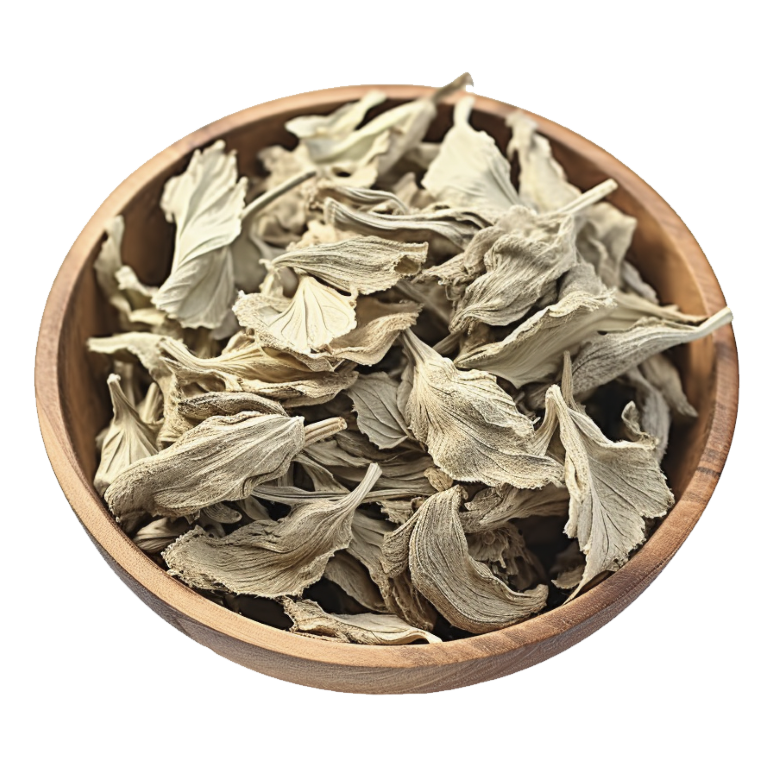
QCM grows exclusively in QiChun, Hubei, along the Dabie Mountains at Latitude 30°N, with unique acidic yellow-brown soil and a mild subtropical monsoon climate. A legally protected China National Geographical Indication Product, QCM reaches 1.8–2.5m tall with thick, broad leaves covered in dense white fuzz.

03 · Bio Active Compound
1.06% vs 0.54%

Essential oil yield — QCM vs common mugwort, delivering twice the anti-inflammatory, cold-damp dispelling active ingredients.

15.6% + 2.7%

Thujone & isothujone — proprietary compounds absent in most other mugwort strains, critical for activating circulation and easing chronic soreness.

+20%

Higher flavonoids, trace minerals and combustion heat value than ordinary mugwort.

04 · Body Sensation

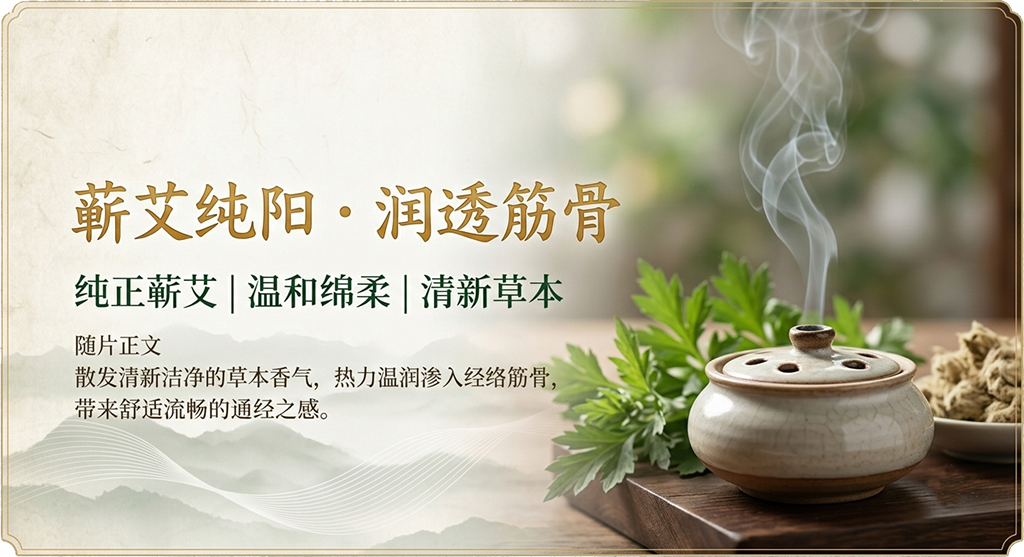
QCM burns with a mild, soothing “Gentle Warmth” and a fresh, clean herbal aroma. Its warmth seeps gently into meridians and bones, creating a comfortable flowing meridian sensation.
Gentle Warmth